Battery for cars with high electrical consumption: how to choose accurately
Modern cars are equipped with an increasing number of electrical devices. Multimedia systems, car audio, auxiliary lighting, trackers, alarms, and additional modules increase energy consumption and demand more from the battery than originally designed.
When a car has many accessories, the standard battery may not be enough to keep the system stable. This can lead to frequent discharge, starting difficulties, and reduced battery lifespan. In these cases, choosing the right battery requires evaluating not only amperage but also other important technical characteristics.
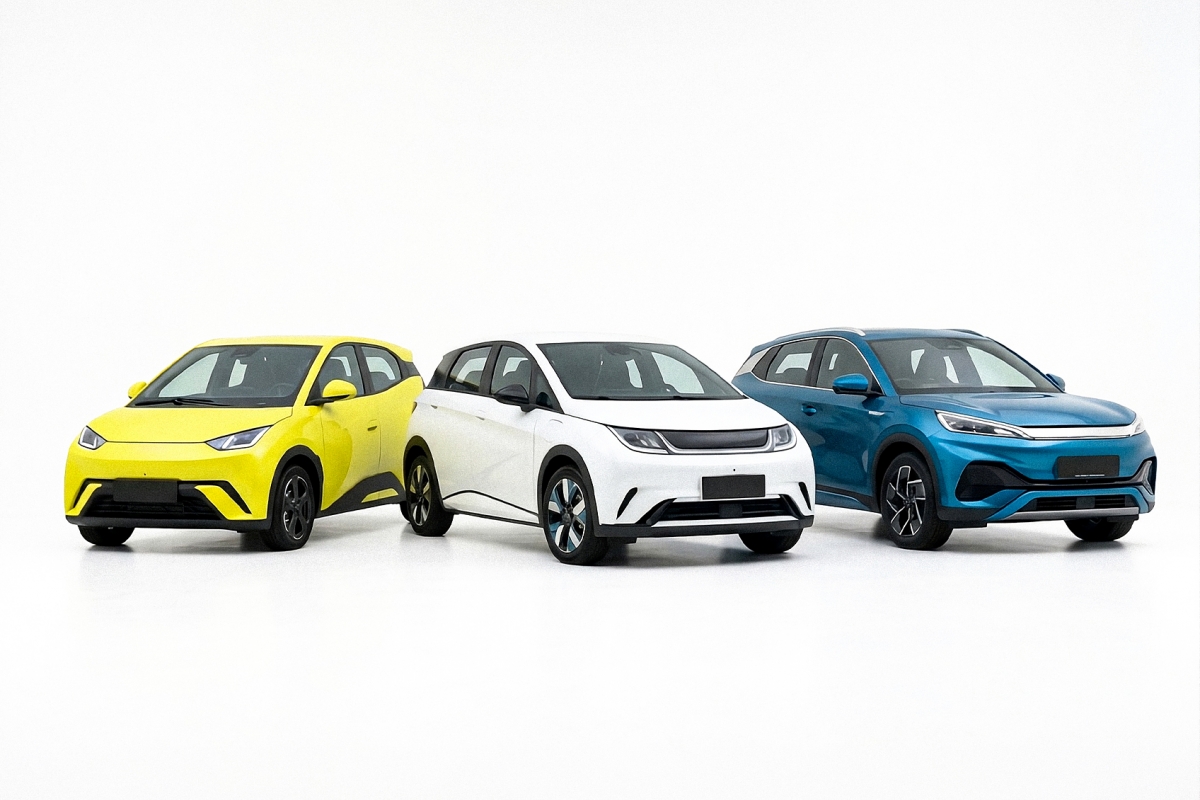
What increases a car’s electrical consumption?
Electrical consumption increases whenever the vehicle uses equipment beyond factory-installed items.
Common examples include:
- More powerful car audio systems
- Larger multimedia systems
- Additional LED lighting
- Electronic modules
- Alarms and trackers
- Accessories used with the engine turned off
When the battery cannot keep up with this demand, problems with rapid discharge can occur, a situation explained in the article about why batteries discharge quickly.
Capacity (Ah) is not the only important factor
Many drivers choose a battery based only on amperage, but in cars with high electrical consumption it is also important to consider the available energy reserve.
Capacity in Ah indicates how much energy the battery can store, but it does not show how long it can power accessories without compromising engine start. Therefore, in some cases, batteries with higher capacity or more advanced technology are recommended.
If you are unsure which model to choose, it's worth understanding the difference between 50Ah and 60Ah, especially in vehicles with more electrical equipment.
Reserve capacity makes a difference in cars with many accessories
In vehicles with audio systems, multimedia, or accessories used with the engine off, battery reserve capacity becomes an important factor.
Reserve capacity indicates how long the battery can supply power before voltage drops to a critical level. The higher this value, the greater the chance of maintaining system operation without compromising starting performance.
When the battery has low reserve capacity, frequent accessory use can lead to deep discharge, one of the main causes of premature wear.
Can I use a larger battery in my car?
In many cases, it is possible to use a battery with higher capacity to support additional consumption, as long as the physical space and electrical system allow it.
The alternator must be capable of replenishing the consumed energy. If the battery is larger than what the charging system can support, it may operate with incomplete charge, reducing its lifespan.
This precaution is especially important in cars with sound systems or additional accessories, as we explained in the article about whether I can use a larger battery in my car.
AGM technology may be better for high consumption
Cars with many electrical devices require the battery to handle more charge and discharge cycles. Conventional batteries may wear out faster under these conditions.
Batteries with more advanced technology, such as AGM or EFB, better withstand intensive use, offer higher cycle resistance, and maintain more stable voltage.
This helps prevent failures in electronic modules and improves performance in vehicles with higher electrical loads.
CCA also affects performance
Even in cars with many accessories, starting current remains essential.
When CCA is low, voltage drops may occur during engine startup, potentially causing failures in electronic modules, dashboard systems, electric steering, or fuel injection systems.
Therefore, in addition to capacity, it is important to choose a battery with the appropriate specifications, as explained in the article about what CCA battery capacity is.
Hybrid and electric vehicles also require a high-quality 12V battery
Even hybrid and electric vehicles use a 12V battery to power electronic systems, locks, multimedia, sensors, and control modules.
In these vehicles, there is constant consumption even when the car is turned off, requiring batteries with greater stability and cycle resistance.
For this reason, technologies such as AGM or EFB are more suitable when the vehicle has a higher electronic load, ensuring reliable performance even with continuous consumption.
How to increase battery lifespan in high-consumption vehicles
Some practices help prevent premature wear:
- Use the correct battery capacity
- Avoid using accessories with the engine off
- Keep the alternator and electrical system properly maintained
- Check cables and connections
- Choose a high-quality battery
Improper use is one of the main causes of premature replacement, as we showed in our article How long does an automotive battery last.
Which battery to use in cars with high electrical consumption
The best battery is the one that meets both the vehicle’s specifications and the level of installed electrical consumption.
The solution is not always simply installing a larger battery, but rather choosing a compatible model with adequate capacity, sufficient starting current, and construction suited for more demanding use.
Before replacing the battery, it's ideal to confirm the correct application, as we explained in which battery to buy for my car.
Conclusion
In summary, cars with many accessories place higher demands on the battery. Therefore, the selection should consider capacity, starting current, energy reserve, and compatibility with the electrical system.
Using an inadequate battery can lead to frequent discharge, operational failures, and reduced lifespan. If in doubt, it is best to verify the correct application or seek expert guidance.
Tudor batteries offer models developed for different levels of consumption, providing greater durability, electrical stability, and reliable performance even in high-demand vehicles.
Read also
What happens when a car sits unused for a long time?
Not every vehicle is driven long distances every day. Many people own a second car, use their vehicle only on weekends, or leave it unused during extended trips. Although this situation may seem harmless, long periods without use can directly affect the automotive battery. Even with the engine turned off, some vehicle systems continue to consume power, and the battery itself naturally loses charge over time. If this period is prolonged, the risk of discharge, sulfation, and reduced service life increases significantly. Understanding what happens when a car remains unused for a long time helps preserve the battery and avoid surprises when it is time to use the vehicle again.
Continue reading
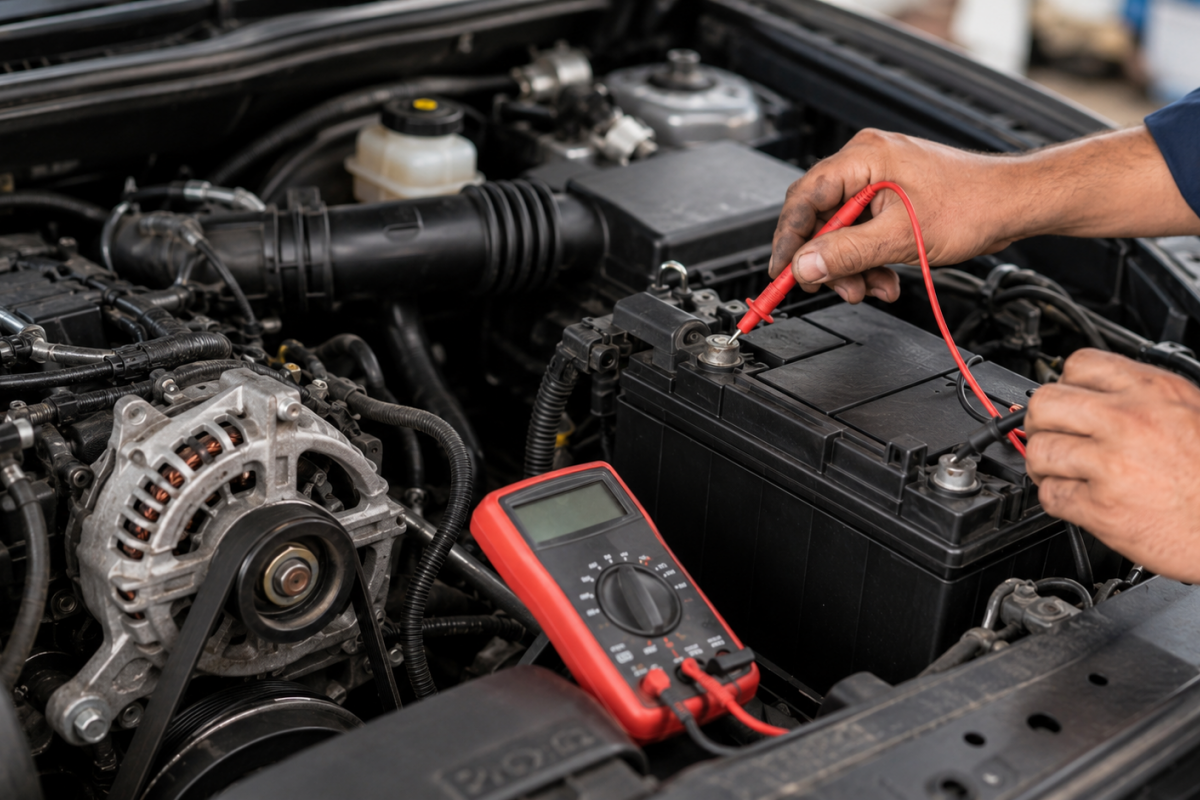
Automotive battery and alternator: what is the relationship between them?
It is common for a driver to experience difficulty starting, find the battery dead, and quickly conclude that it is time to replace it. However, the problem is not always the battery. The battery and the alternator work together to keep the vehicle's electrical system running correctly. When one of these components fails, the other ends up being affected as well, which can generate very similar symptoms and make diagnosis difficult. Therefore, understanding how the battery and alternator work together is essential to identify the source of possible failures and ensure that the electrical system operates safely and efficiently. When the battery needs to be replaced, it is also important to check whether the charging system is operating correctly to preserve the performance of the new component.
Continue reading

How temperature influences the useful life of the automotive battery
The automotive battery is constantly exposed to different environmental conditions. In some regions, intense heat predominates for much of the year. In others, lower temperatures become a challenge for the vehicle's electrical system. Although many drivers associate battery problems only with usage time, temperature is one of the factors that most influences its durability and performance. Both excessive heat and intense cold affect the chemical reactions that take place inside the battery, accelerating wear processes and reducing its ability to supply energy.
Continue reading