How to store a marine battery during the off-season
Not every vessel remains in use throughout the year. In many cases, boats, motorboats, and sailboats remain idle for weeks or even months during the off-season, whether due to weather conditions, maintenance, or less frequent navigation.
Although this period of inactivity is common, it requires some care with the battery. When stored without proper maintenance, the battery can naturally lose charge, undergo internal degradation processes, and have difficulty operating the next time the vessel is used.
The good news is that a few simple measures help preserve battery performance during this period, extending its service life and reducing the risk of unexpected problems when it is time to return to the water.
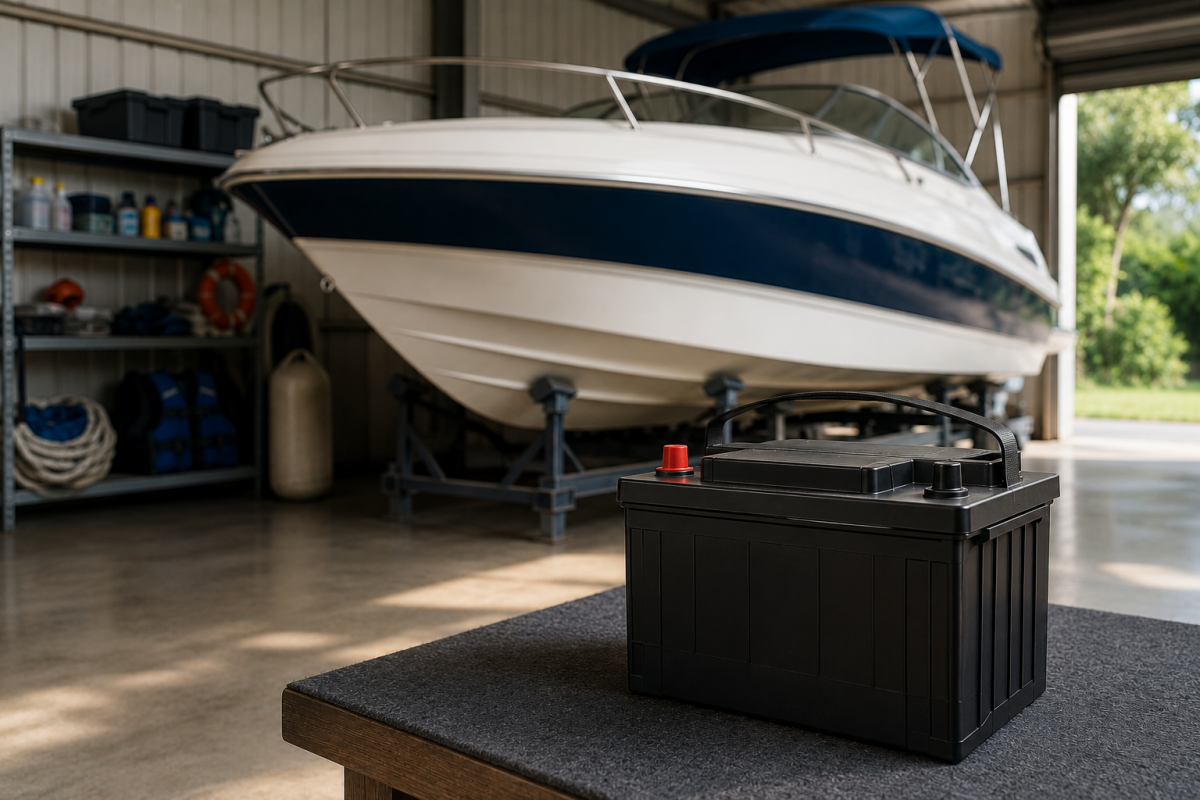
What happens to the battery when the vessel remains idle?
Even when it is not being used, the battery continues to undergo natural processes that gradually reduce its charge.
In addition to self-discharge, some vessels keep equipment connected even when they are not in use, such as alarms, tracking devices, or other electronic equipment. This residual consumption accelerates the loss of charge over time.
When the battery remains discharged for extended periods, the risk of sulfation increases. This process reduces its ability to store energy and compromises performance during engine starting or when powering onboard equipment.
This is one of the factors that most influence battery durability, as explained in the article Marine battery: tips, definitions, and durability.
Is it better to leave the battery installed or remove it?
This is one of the most common questions among vessel owners.
The answer mainly depends on the vessel’s storage conditions and how long it will remain out of use.
When the boat is stored in a covered, protected location where periodic inspections are possible, the battery may remain installed, provided that the electrical system is switched off and the charge level is monitored.
For longer storage periods, or when it will not be possible to monitor the battery’s condition, removing it may be a good option so it can be kept in a more suitable environment.
Regardless of the choice, the most important thing is to prevent the battery from remaining discharged for long periods.
How to properly store a marine battery
A few simple precautions help preserve battery performance during the off-season.
The main recommendations include:
- store the battery in a dry, well-ventilated place;
- avoid direct exposure to sunlight and extreme temperatures;
- keep the terminals clean and protected against corrosion;
- periodically check the charge level;
- do not allow the battery to remain completely discharged for long periods.
These precautions reduce internal wear and help keep the battery ready for use when the vessel returns to the water.
For more details about how this type of battery works, also read the article Everything you need to know about marine batteries.
Is it worth using a battery maintainer?
For vessels that remain unused for long periods, a battery maintainer can be a valuable ally.
This device is designed to compensate for the battery’s natural self-discharge, keeping it close to the ideal charge level without causing overcharging.
Its use is generally recommended when:
- the vessel remains idle for several months;
- the battery stays installed during storage;
- the boat is not used frequently.
When used correctly, a battery maintainer helps preserve battery capacity and reduces the risk of sulfation.
How does Tudor contribute to greater durability?
In addition to proper storage practices, battery quality also influences its service life.
The Tudor Marine line was developed to meet the demands of onboard applications, with reinforced construction designed to withstand vibration, moisture, and the typical conditions of the marine environment.
Another advantage is the 15-month warranty, the longest in the category, providing greater security and peace of mind for those seeking reliable performance while boating.
Regardless of the type of vessel, using the correct battery for the application remains one of the main factors in achieving greater efficiency and durability.
If you are still evaluating which model best meets your vessel’s needs, also read the article Batteries for boats, motorboats, and yachts, where we explain the main applications and characteristics of this type of battery.
Conclusion
During the off-season, the battery continues to undergo natural wear even when the vessel remains idle.
For this reason, simple measures such as monitoring the charge level, avoiding prolonged periods of discharge, and storing the battery under suitable conditions directly help preserve its performance and service life.
In addition to ensuring greater reliability when the vessel returns to the water, these precautions help reduce the risk of unexpected failures and keep the electrical system ready for the next boating season.
To continue learning about applications, maintenance, and choosing the ideal battery for vessels, follow the technical content available on the Tudor blog.
Frequently Asked Questions
How long can a marine battery remain unused?
It depends on the storage conditions, the condition of the battery, and the presence of residual electrical consumption. The longer the period of inactivity, the more closely the charge level should be monitored.
Does a marine battery lose charge even when it is not in use?
Yes. Every battery undergoes natural self-discharge over time, even when it is not powering electrical equipment.
Can I store the battery completely discharged?
No. Remaining discharged for long periods encourages sulfation and can reduce the battery’s energy storage capacity.
Is it worth using a battery maintainer?
Yes. For vessels that remain unused for months, this device helps keep the battery close to the ideal charge level and reduces the effects of self-discharge.
Is it better to remove the battery from the vessel during the off-season?
It depends on the storage conditions and whether the battery’s charge can be monitored periodically. In some cases, leaving it installed is perfectly acceptable, provided that the proper precautions are taken.
How can I tell whether the battery was damaged during storage?
Difficulty starting the engine, rapid loss of charge, and irregular operation of electrical equipment may indicate that the battery degraded during the period of inactivity and should be evaluated.
Read also
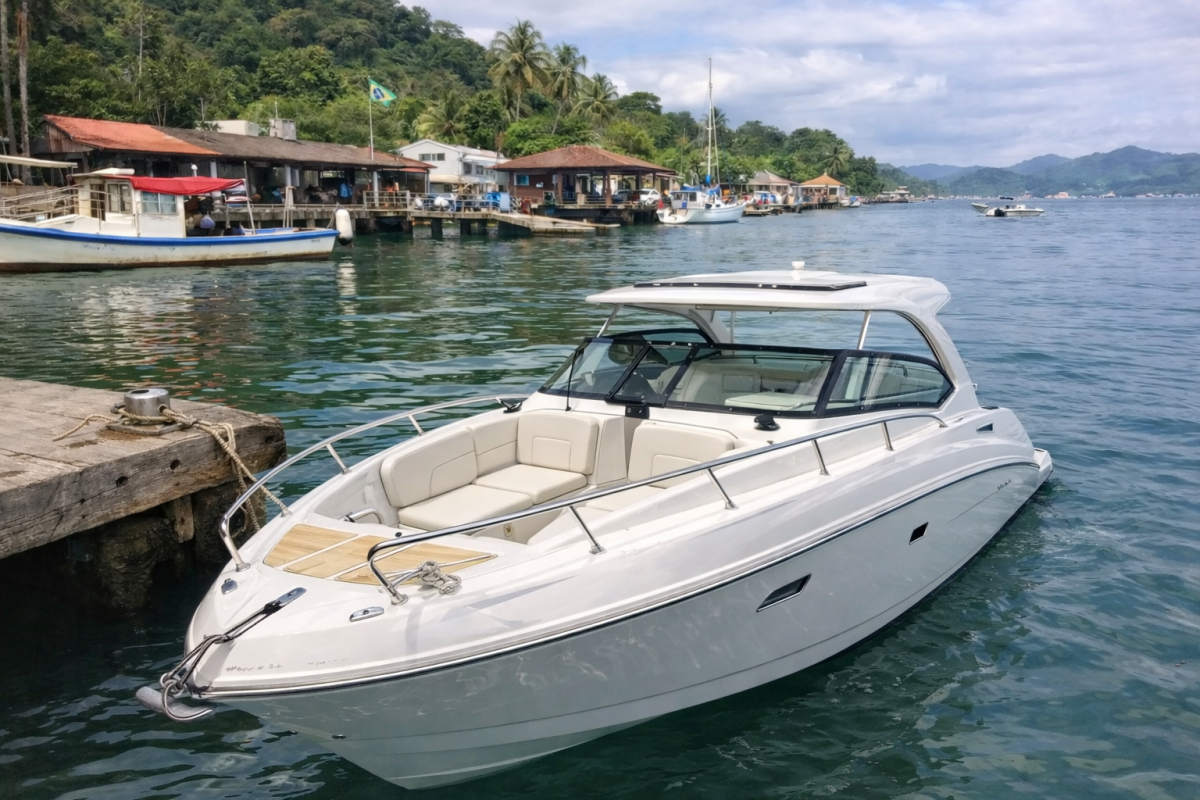
Boat battery: a practical guide to choosing correctly
Choosing a boat battery requires more than finding a similar model for the vessel. To make the right choice, you need to check dimensions, capacity, terminal position, and the correct application for marine use. This makes a difference because a boat operates in a more demanding environment, with humidity, vibration, and variation in electrical demand. In addition to starting the engine, in many vessels the battery also needs to power onboard equipment, which makes the correct choice even more important.
Continue reading
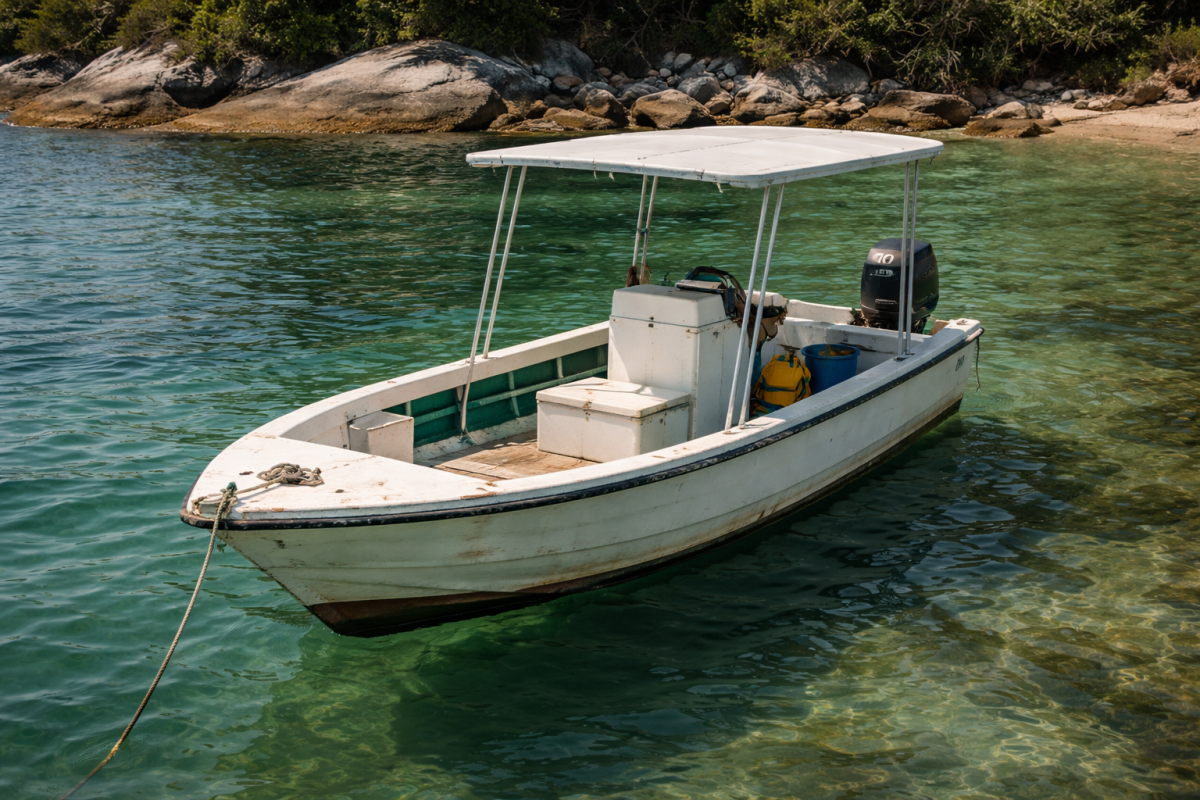
Tips for small boat batteries
Small boat batteries need to be chosen carefully to ensure reliable starting, stable power supply for equipment, and good durability. Even in smaller vessels, the battery may operate under humidity, vibration, and load variation, which requires the correct application. More than simply looking at the size of the boat, it is important to consider the type of use, the installed accessories, and the capacity required for the electrical system.
Continue reading
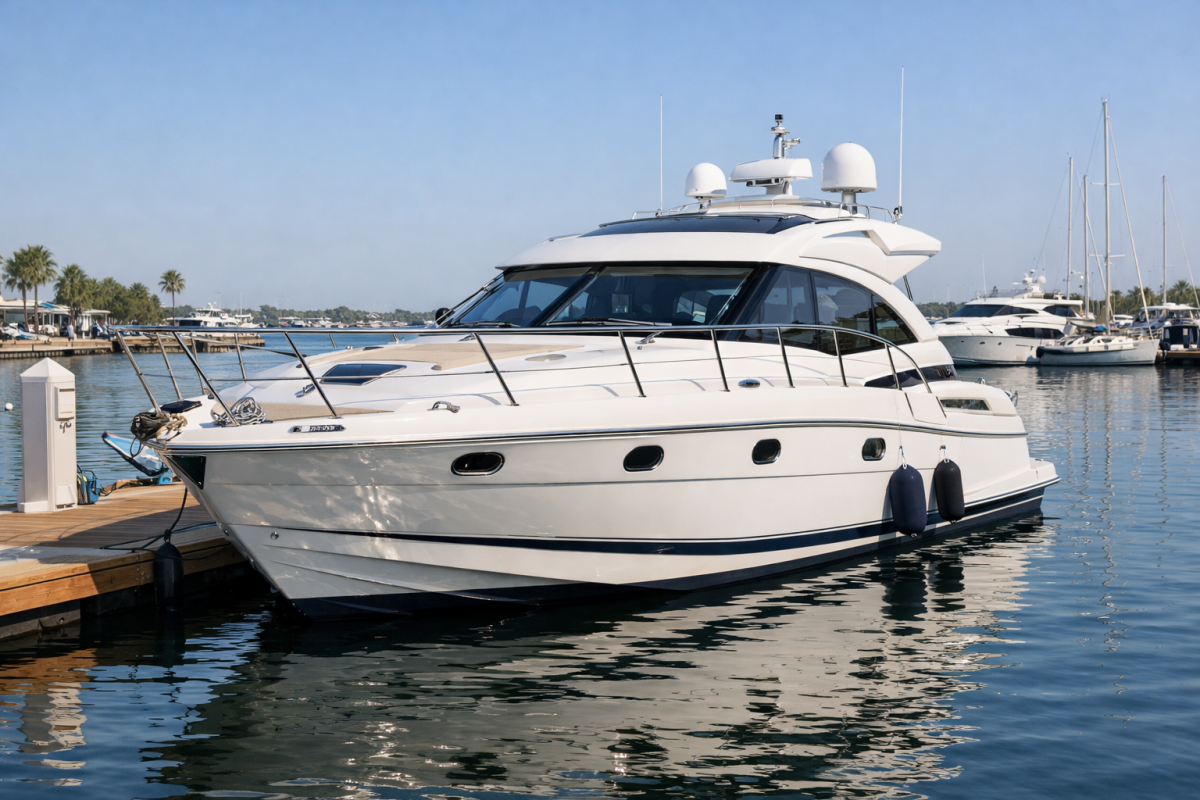
How to tell if your marine battery is weak
Knowing whether your marine battery is weak is essential to avoid starting failures, loss of onboard equipment operation, and unexpected issues during navigation. On vessels, the battery may be exposed to vibration, humidity, long periods without use, and variable electrical demand, which makes monitoring its performance even more important. In practice, a weak battery does not always stop working all at once. In many cases, it begins to show gradual signs, such as reduced autonomy, difficulty starting, and instability in the power supply. Identifying these signs in advance helps preserve navigation safety and avoid emergency replacements.
Continue reading