Main signs of problems in a boat battery
A marine battery is responsible for starting the engine and powering various onboard systems, such as lighting, navigation instruments, pumps, and electrical equipment. Because it operates in an environment with humidity, constant vibration, and prolonged use, this type of battery requires more care than a standard automotive battery.
When failures begin to appear, there are usually signs that indicate wear or loss of capacity. Identifying these symptoms in advance helps prevent breakdowns during navigation and increases vessel safety.
If you are still unsure about when to use this type of battery, it is worth checking the content on what a marine battery is and when it should be used, where we explain the differences compared to standard batteries.

Why a boat battery may present failures
The marine environment is more aggressive than automotive use. Vibration, salt air, temperature variation, and frequent charge and discharge cycles accelerate battery wear.
In addition, vessels often use multiple electrical devices, increasing demand on the system.
Among the most common causes of problems are:
- Use with insufficient charge
- Frequent deep discharge
- Capacity below required levels
- Corroded connections
- Charging system failure
- End of battery lifespan
When these factors accumulate, the battery begins to lose performance.
Difficulty starting the engine
One of the first signs of a problem is difficulty starting the vessel.
If the engine takes longer to start, requires multiple attempts, or shows voltage drops when turning the key, the battery may be weak or worn.
It is also common to notice:
- Dashboard lights dimming during startup
- Relay clicking without the engine turning
- Need for multiple attempts
These symptoms may indicate a discharged battery, plate sulfation, or loss of capacity.
Failures in electrical equipment
Another common sign is malfunction of onboard equipment.
Instruments that shut off, flickering lights, or a radio losing signal may indicate unstable voltage.
This happens when the battery cannot maintain the required charge to power all systems.
The most common signs include:
- GPS restarting
- Sonar turning off
- Weak lighting
- Radio malfunction
- Bilge pump operating with low power
If the equipment works normally with the engine running but fails when the engine is off, the battery may have reduced capacity.
Rapid loss of charge
When the battery discharges quickly, even after being recharged, it may be a sign of internal wear.
Over time, the plates lose efficiency and the battery begins to store less energy. This reduces autonomy and increases the risk of failure.
Rapid discharge may also occur when:
- There is constant electrical consumption
- The charging system does not complete the recharge cycle
- The battery is used beyond its recommended capacity
In these cases, it may be necessary to inspect the system or replace the battery.
Corrosion on terminals and connections
Salt air and humidity promote corrosion, especially on terminals and cables.
When oxidation occurs, electrical resistance increases and battery performance drops.
Some common signs include:
- Whitish or greenish residue on terminals
- Rusted cables
- Loose connectors
- Overheating at terminals
Regular cleaning and proper fastening help prevent this type of issue.
Failures during prolonged use
During longer navigation periods, the battery must keep multiple devices operating at the same time.
If failures begin to occur after a few hours, it may indicate that the battery cannot support the demand.
This can happen when:
- Capacity is insufficient
- The battery is worn
- The charging system cannot keep up with consumption
In vessels with many accessories, choosing the correct battery is essential to avoid this situation.
When to replace the boat battery
Even with maintenance, every battery has a limited lifespan.
Replacement should be considered when frequent signs of failure appear, starting becomes difficult, or autonomy decreases.
Using a battery designed for marine applications helps increase durability and reduce the risk of problems during use.
Tudor batteries for vessels
Tudor marine batteries are designed to withstand vibration, humidity, and more intensive use, offering greater electrical stability and longer lifespan.
Using a battery specifically designed for vessels helps maintain reliable system performance and prevents failures at critical moments.
Conclusion
In summary, identifying signs of problems in a boat battery is essential to avoid breakdowns and ensure safety during navigation. Difficulty starting, equipment failures, rapid discharge, and corrosion are common warnings that the battery requires maintenance or replacement.
With proper use and the right battery choice, it is possible to extend lifespan and keep all systems operating reliably. If in doubt, Tudor’s technical team can help guide you in selecting the ideal battery for your boat.
Read also
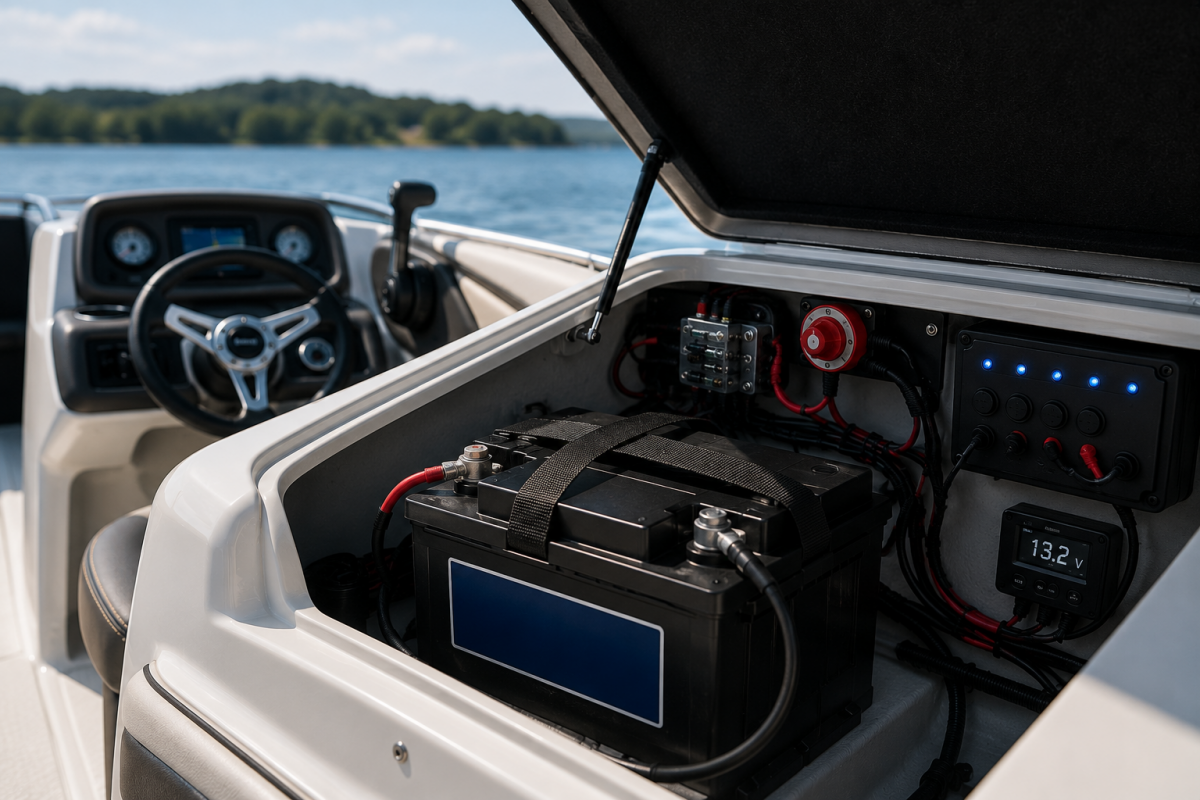
What is a deep-cycle marine battery and when is it recommended?
Not every marine battery performs the same function. While some are designed to deliver a high current when starting the engine, others are designed to power electrical equipment for long periods, whether the vessel is underway or anchored. This is where the deep-cycle battery stands out. Its construction was developed to withstand successive discharge and recharge cycles, providing continuous energy for systems that require autonomy during navigation. In this article, you will understand what characterizes a deep-cycle marine battery, when it is recommended, and why choosing the correct application makes all the difference to vessel performance.
Continue reading
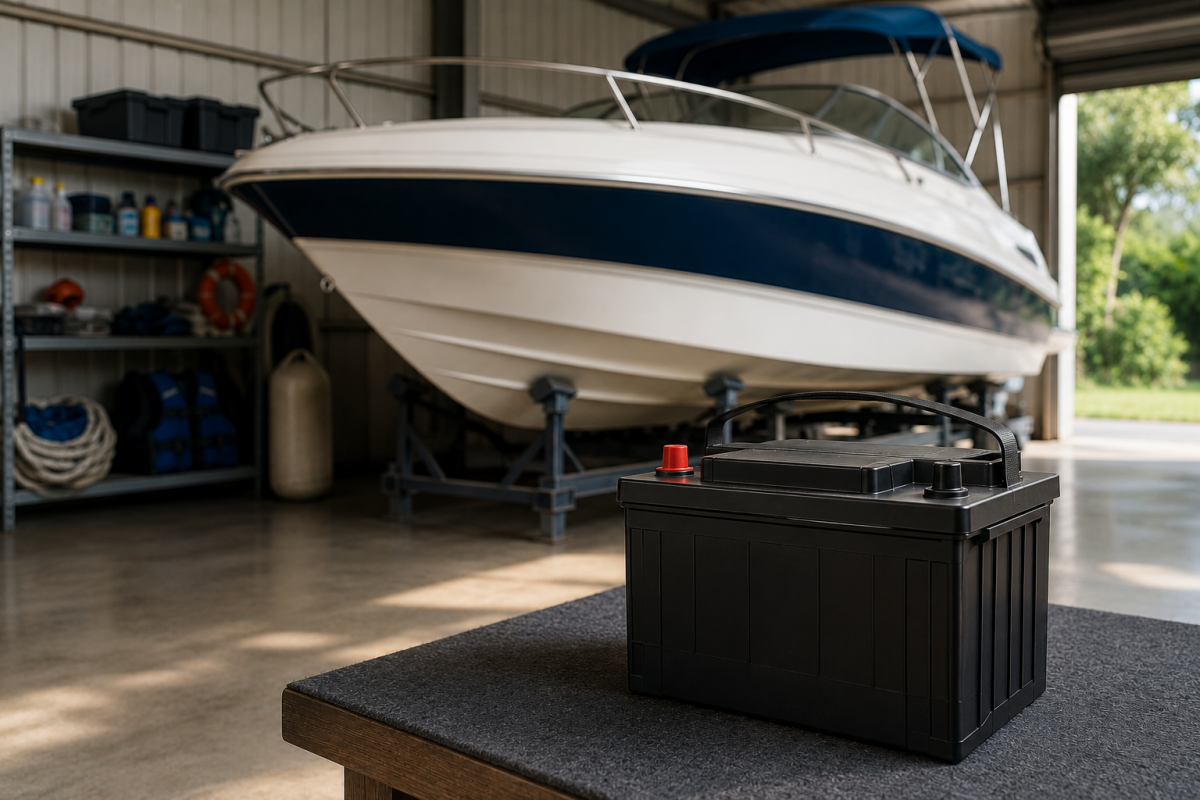
How to store a marine battery during the off-season
Not every vessel remains in use throughout the year. In many cases, boats, motorboats, and sailboats remain idle for weeks or even months during the off-season, whether due to weather conditions, maintenance, or less frequent navigation. Although this period of inactivity is common, it requires some care with the battery. When stored without proper maintenance, the battery can naturally lose charge, undergo internal degradation processes, and have difficulty operating the next time the vessel is used. The good news is that a few simple measures help preserve battery performance during this period, extending its service life and reducing the risk of unexpected problems when it is time to return to the water.
Continue reading
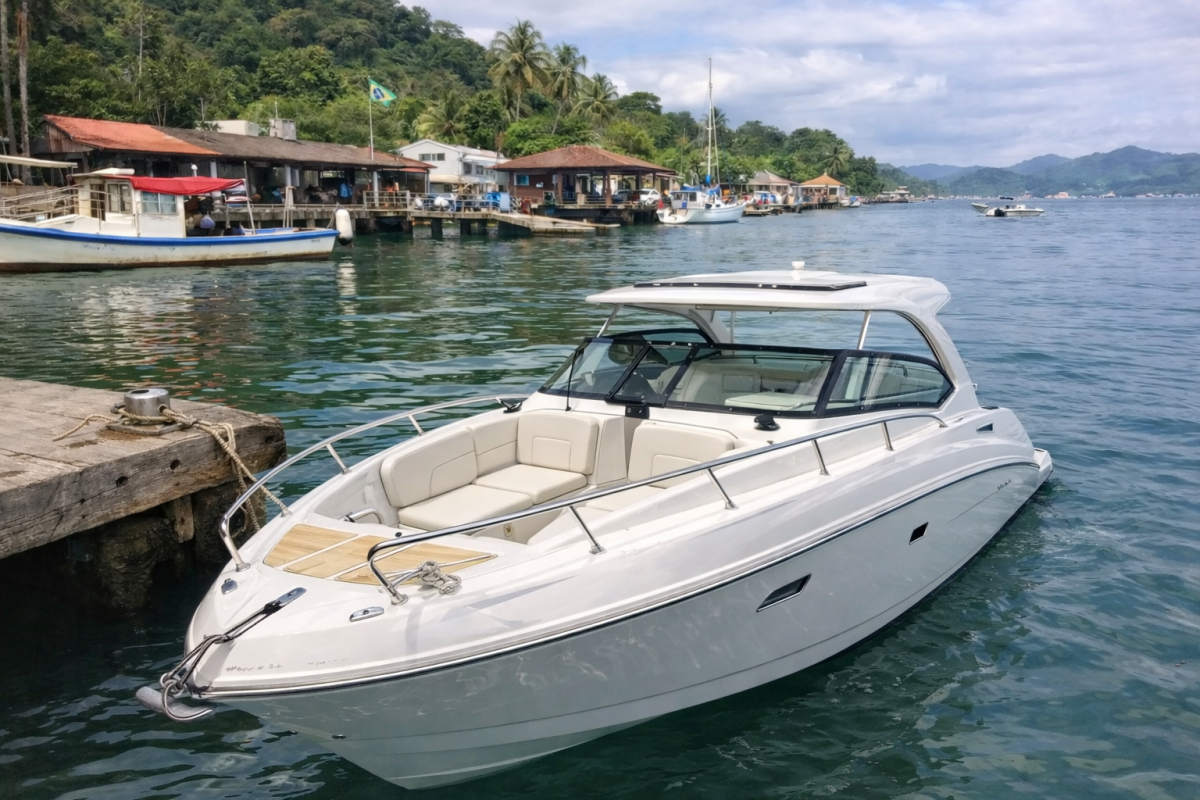
Boat battery: a practical guide to choosing correctly
Choosing a boat battery requires more than finding a similar model for the vessel. To make the right choice, you need to check dimensions, capacity, terminal position, and the correct application for marine use. This makes a difference because a boat operates in a more demanding environment, with humidity, vibration, and variation in electrical demand. In addition to starting the engine, in many vessels the battery also needs to power onboard equipment, which makes the correct choice even more important.
Continue reading